Monthly
$4.99/month
Billed monthly
- Every member article
- Named sources under each piece
- Myth-and-fact explainers
- 14-day money-back guarantee
Men's sexual health · reported plainlyMen's health · plainly
Beyerkelleyinsight explains erectile dysfunction for men and their partners: causes, risk factors and common myths, in short articles that fit a normal week.




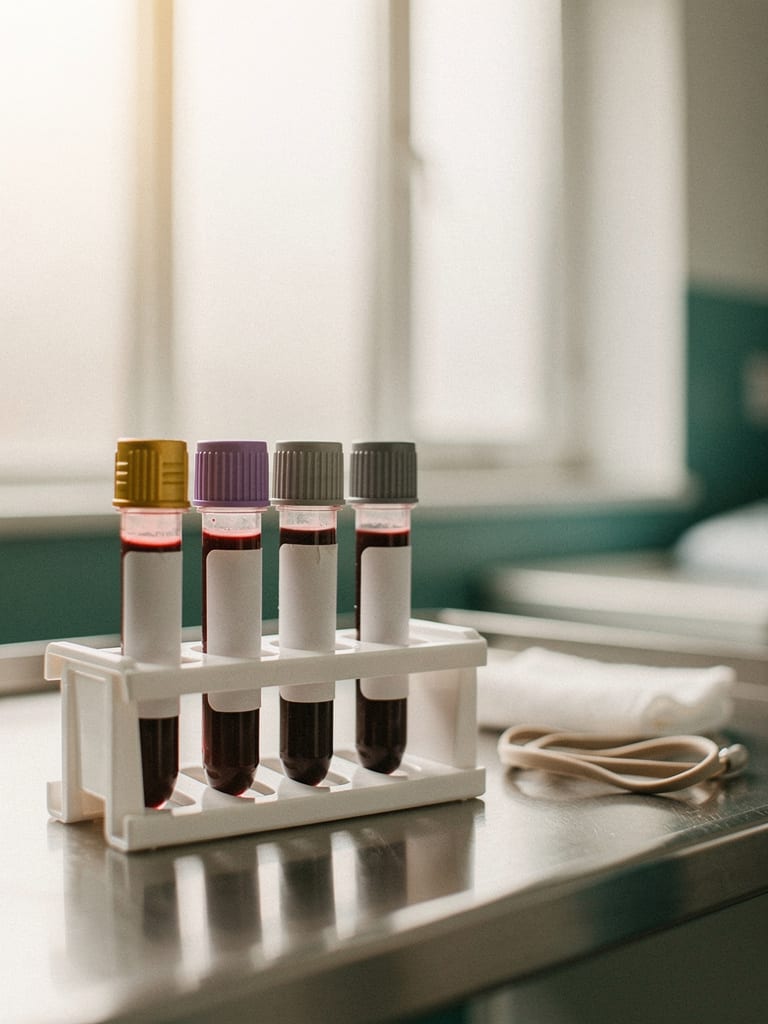
Erectile dysfunction is common, and Beyerkelleyinsight treats it as a health subject, not a punchline. According to NIDDK, it means trouble getting or keeping an erection firm enough for sex. Research cited by NIDDK suggests 30 million to 50 million men in the United States have it. The publication covers that ground in sections: what the condition is, why blood flow sits at its center, which conditions and habits raise the odds, and how it can touch a relationship. Each article is written for men past 40 and for the partners who read alongside them.
If erections change without a clear reason, a visit to your own doctor is the sensible next step. According to Cleveland Clinic, the change can be the first symptom of another problem, including heart disease.
ED grows more common with age. About 40% of men are affected at 40, and 70% report it by 70, according to NIDDK.[1]
According to Cleveland Clinic, conditions that limit the body's ability to deliver blood for an erection are the most common cause of ED.[2]
Diabetes is one focus. A 2017 review of 145 studies found ED in 52.5% of men with diabetes.[5]
NIDDK notes that ED can bring a loss of intimacy between partners, along with anxiety, depression and low self-esteem.[1]
The order of the sections
The sections follow the order most men need: what the condition is, how an erection works, what raises the risk, and what a visit to a doctor covers.
Articles start with the plain definition NIDDK uses: trouble getting or keeping an erection firm enough for sex.
According to a review in the Journal of Clinical Hypertension, nitric oxide is considered the main chemical signal of an erection. Impaired nitric oxide activity is a major mechanism of ED.
NIDDK lists diabetes, heart disease, obesity, some blood pressure medicines and antidepressants, anxiety, stress, smoking and heavy drinking.
Articles explain what to raise with your own doctor, from known risk factors to the questions worth asking about blood flow and the heart.
What the term means and how common it is.
Blood flow, risk factors and the effect on a relationship.
Repeated claims, each set against a published source.
Named sources for every fact, myths labeled as myths.
What the plans include and how billing works.
What is free, what is paid, and how to cancel.
Claims, checked
Three claims men hear often, each set against the published sources listed at the bottom of the page.
“Trouble with erections is just part of getting older.”
Partly trueAge matters: NIDDK puts it at about 40% of men at 40 and 70% by 70. It also names diseases, medicines and habits as causes.[1]
“Erection problems are mostly about blood flow.”
SupportedAccording to Cleveland Clinic, conditions that affect the body's ability to deliver blood are the most common cause of ED.[2]
“Quitting smoking is good for erections.”
SupportedA systematic review found smoking strongly associated with ED, and studies support a benefit of quitting for erectile function.[6]
How the publication works
Every article names its source and labels myths as myths. These questions are about reading habits, not health.
Question 1 of 4
Here are the membership plans, with the annual plan selected.
Membership
Members read every article in full, each one with its sources listed underneath.
$4.99/month
Billed monthly
$3.99/month
Billed $11.97 every 3 months
$2.99/month
Billed $35.88 yearly
Plans renew at the price shown until cancelled. Every plan carries a 14-day money-back guarantee.
This home page, its sections and the claims grid are free to read. The membership opens the full articles.
Members get every article in full, the myth-and-fact explainers and the named source list under each piece.
No. Beyerkelleyinsight is a publication, and nothing here is medical advice. Questions about erections or any treatment belong with your own doctor.
According to Cleveland Clinic, ED can in many cases be the first symptom of another underlying problem, including heart disease.[2]
In the Massachusetts Male Aging Study, 52% of men aged 40 to 70 reported some degree of erection difficulty, from minimal to complete.[3]
Start reading
Pick a plan. Payment details come on the next step.
TotalAnnual
$2.99 / month
Plans renew at the price shown until cancelled.